Why Your Faucet Keeps Leaking and How to Fix It
A faucet usually keeps leaking because of worn washers, damaged O-rings, bad cartridges, loose parts, mineral buildup, corroded valve seats, or water pressure problems. To fix a leaking faucet, turn off the water, identify the faucet type, check the worn part, replace it with a matching piece, and test the faucet for drips.
For homeowners in Tempe, AZ, a small faucet leak can quickly become more than an annoying sound. It can waste water, stain your sink, damage cabinets, and point to a bigger plumbing repair issue. This guide explains common faucet drip causes, simple fixes, and when to call Tempe Handyman Pro for leaking faucet repair.
Why a Leaking Faucet Should Not Be Ignored
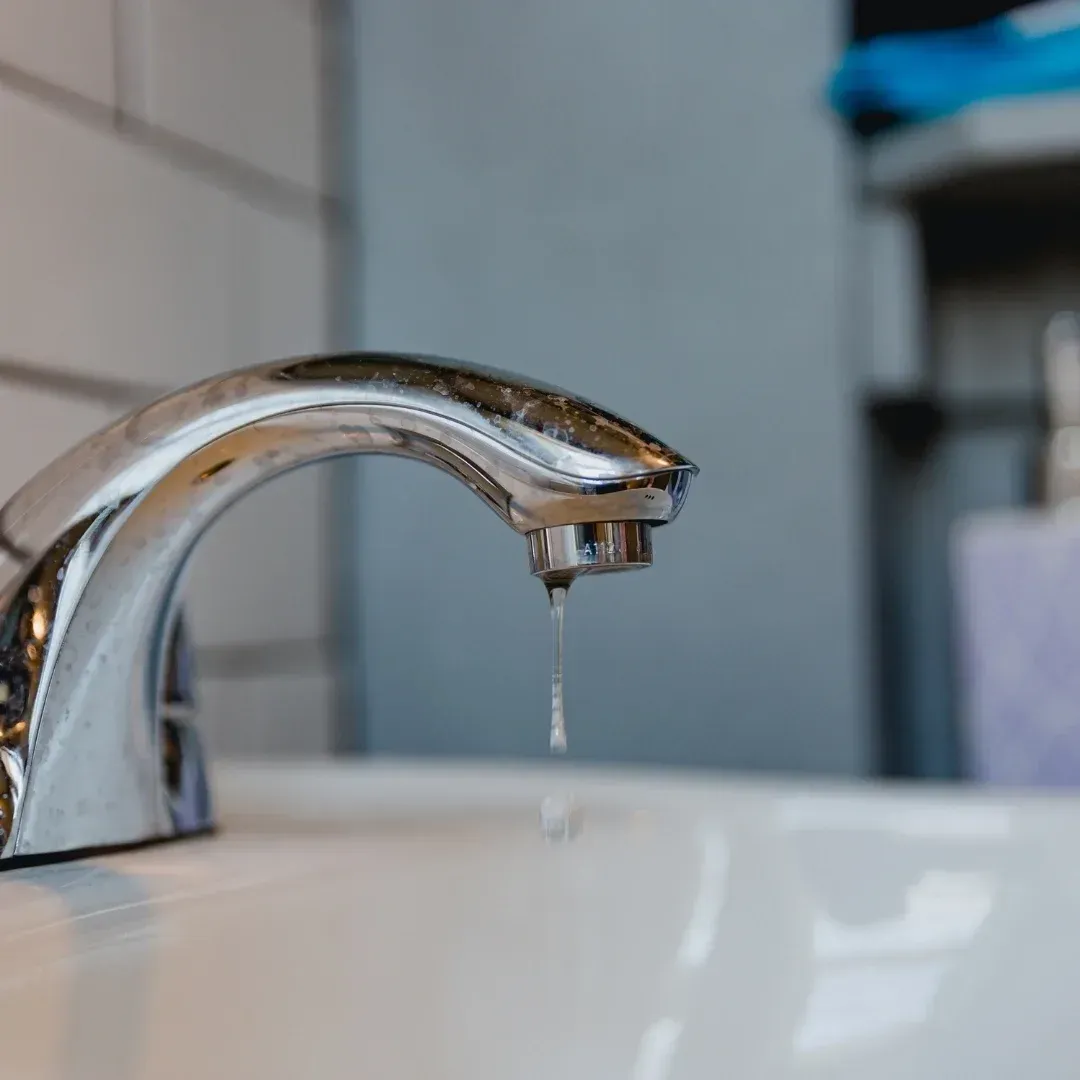
A leaking faucet should not be ignored because even a slow drip can waste water and damage nearby surfaces over time. The sooner you handle the problem, the easier and less expensive the repair may be.
A steady drip can leave mineral stains in the sink, loosen parts inside the faucet, and create moisture around the cabinet below. In busy Tempe homes, especially kitchens that get used all day, a small leak can become a daily frustration.
A practical example is a faucet that drips only at night. That may seem harmless, but it can still point to pressure changes, worn seals, or a cartridge that no longer closes fully.
Common Faucet Drip Causes
Most faucet drip causes come from small internal parts that wear out with use. Washers, O-rings, cartridges, seals, and valve seats all help control water flow, and any damaged part can let water escape.
Common causes include:
| Cause | Common Sign | Possible Fix |
|---|---|---|
| Worn washer | Drip from the spout | Replace washer |
| Damaged O-ring | Leak near the handle or base | Replace O-ring |
| Bad cartridge | The faucet will not shut off fully | Replace cartridge |
| Corroded valve seat | Leak near the spout | Clean or replace the part |
| Loose parts | Handle or base leak | Tighten or replace parts |
| High water pressure | Random dripping | Check pressure |
For example, if your faucet keeps dripping after you turn the handle tightly, the issue may not be the handle. It may be a worn washer or cartridge inside the faucet.
Kitchen Faucet Issues That Often Lead to Leaks
Kitchen faucet issues often happen because kitchen sinks get heavy daily use. Handles, sprayers, hoses, and seals wear down faster when the faucet is used for cooking, cleaning, washing dishes, and filling containers.
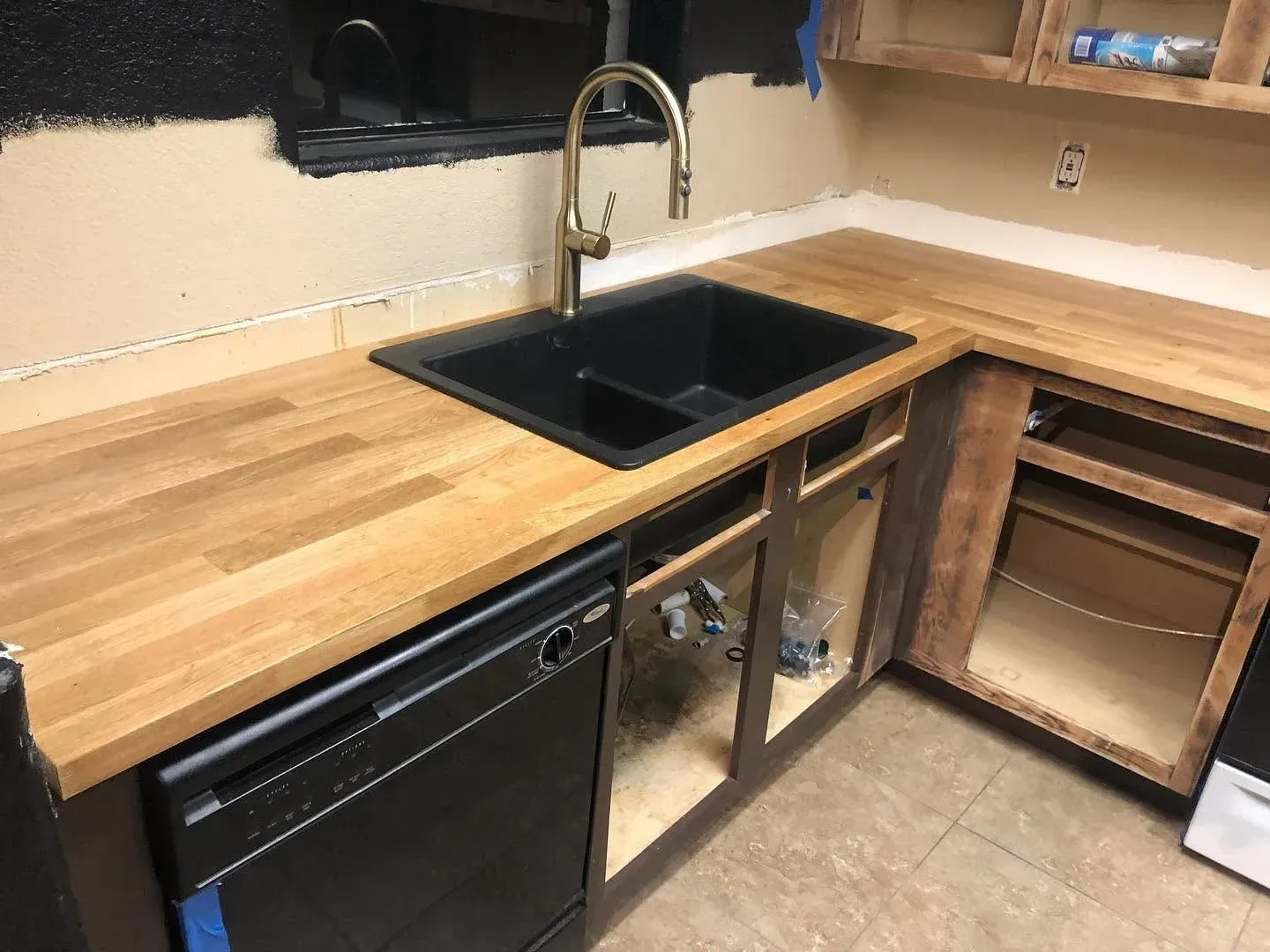
Common kitchen faucet issues include leaks around the base, dripping from the spout, water under the sink, loose handles, and pull-down sprayer leaks. A pull-down sprayer may leak because of a loose hose connection, a worn washer, a cracked hose, or a damaged sprayer head.
Water under the sink needs quick attention. It may come from the faucet, supply lines, shutoff valves, or connections below the sink. If you see water pooling in the cabinet, stop using the faucet until the source is found.
How to Fix a Leaking Faucet Step by Step
You can fix some leaking faucets by replacing a worn washer, O-ring, cartridge, or seal. Before starting, make sure the water is off, and do not force rusted or stuck parts.
Follow these steps:
- Turn off the hot and cold water supply valves under the sink.
- Cover the drain so that screws and small parts do not fall in.
- Identify the faucet type, such as compression, cartridge, ball, or ceramic disc.
- Remove the handle carefully with the right tool.
- Inspect the washer, O-ring, cartridge, seals, and visible buildup.
- Replace damaged parts with exact matches.
- Reassemble the faucet.
- Turn the water on slowly and test for leaks.
Here is a simple example. A homeowner notices a steady kitchen faucet drip even when the handle is closed. After turning off the water and removing the handle, they find a worn cartridge. Replacing that cartridge may stop the leak.
Stop the repair if the shutoff valve leaks, parts are corroded, or the faucet still drips after replacement. That is when professional plumbing repair is the safer choice.
Repair or Replace: Which Option Makes Sense?
Faucet repair makes sense when the fixture is newer, the problem is limited to one worn part, and replacement parts are easy to find. Faucet replacement may be better when the fixture is old, corroded, loose, outdated, or keeps leaking after repairs.
| Situation | Repair May Work | Replacement May Be Better |
|---|---|---|
| Newer faucet with one worn part | Yes | Not usually |
| Old faucet with corrosion | Sometimes | Yes |
| Repeat leaks | Maybe | Often |
| Loose base or handle | Sometimes | Depends on damage |
| Outdated fixture | Possible | Yes |
For many Tempe homeowners, replacing an old faucet can also improve daily use. A new kitchen faucet may offer better water flow, a stronger sprayer, and fewer future leaks.
When to Call for Plumbing Repair
You should call for plumbing repair when the leak keeps coming back, water appears under the sink, the shutoff valves are stuck, or you are not sure what type of faucet you have. Calling a professional can prevent broken parts, water damage, and repeat repairs.
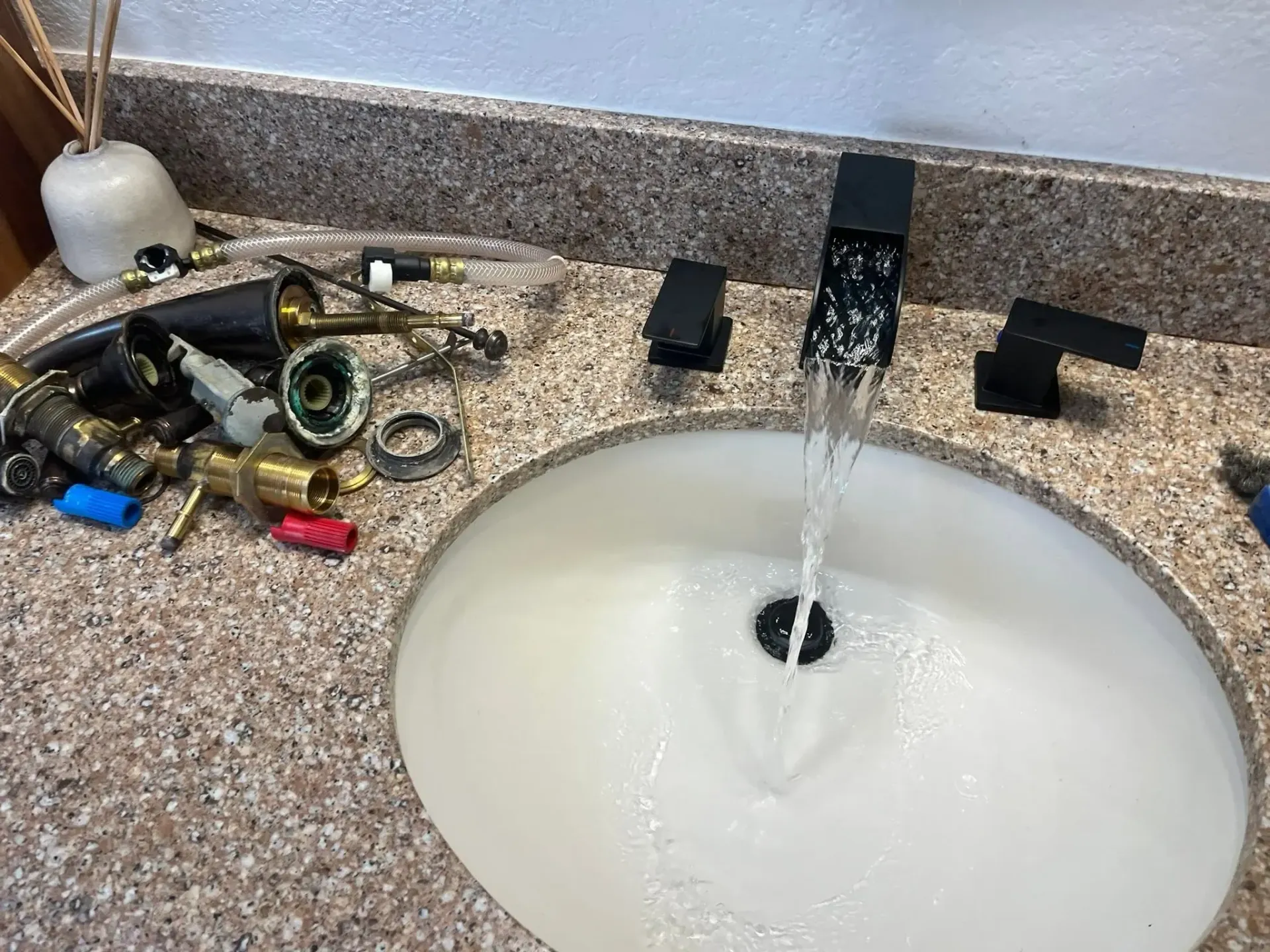
You should also get help if you see rust, heavy mineral buildup, damaged supply lines, or a leak that spreads into the cabinet. In Tempe and nearby East Valley homes, mineral buildup can make older faucet parts harder to remove without damage.
Tempe Handyman Pro helps homeowners with plumbing repairs and installations in Tempe, Mesa, Chandler, Gilbert, Phoenix, Arcadia, and Scottsdale. Whether the issue is a simple part replacement or a full faucet installation, professional service can save time and reduce stress.
How to Prevent Future Faucet Leaks
You can prevent many faucet leaks by using fixtures gently and checking them regularly. Small maintenance habits can help washers, seals, cartridges, and supply lines last longer.
Use this quick checklist:
- Do not overtighten faucet handles.
- Clean mineral buildup around the base and aerator.
- Check under sinks for moisture once a month.
- Fix small drips early.
- Watch for loose handles or sprayer leaks.
- Replace aging faucets before they fail.
A simple habit is to look inside the cabinet when cleaning the kitchen or bathroom. If you notice moisture, stains, or a soft cabinet bottom, schedule a repair before the damage spreads.
Call Tempe Handyman Pro for Plumbing Services in Tempe, AZ
A leaking faucet may look like a small problem, but it can waste water and lead to bigger repair needs if ignored. Tempe Handyman Pro provides leaking faucet repair, faucet replacement, and plumbing repairs and installations for homeowners in Tempe, AZ.
Need help with a faucet that will not stop dripping? Call Tempe Handyman Pro at
(480) 265-7565 for dependable
plumbing services in Tempe, AZ. We can inspect the issue, repair worn parts, or install a new faucet if needed.
FAQs About Leaking Faucet Repair
Why does my faucet keep dripping after I turn it off?
A faucet usually keeps dripping because an internal part is worn or damaged. The most common causes are a bad washer, O-ring, cartridge, seal, or valve seat that no longer blocks water flow fully.
Can I fix a leaking faucet myself?
You may be able to fix a leaking faucet yourself if the problem is a simple washer, O-ring, or cartridge replacement. If parts are stuck, corroded, or the leak continues, call a professional for plumbing repair.
Why is my kitchen faucet leaking at the base?
A kitchen faucet may leak at the base because of a worn O-ring, damaged seal, loose mounting hardware, or internal faucet damage. Since water can spread around the sink deck or cabinet, it is best to fix this quickly.
Is a dripping faucet a serious plumbing problem?
A slow drip is not always an emergency, but it should not be ignored. Over time, it can waste water, stain fixtures, and lead to hidden damage around the sink or cabinet.
Who should I call for leaking faucet repair in Tempe, AZ?
Homeowners in Tempe, AZ can call Tempe Handyman Pro for leaking faucet repair and related plumbing services. Call (480) 265-7565 to schedule help with faucet repair, faucet replacement, or plumbing repairs and installations.
Share article
Recent posts